
If you have been shopping for wood floors, you have probably run into the same question a lot of homeowners do: Should you choose engineered hardwood or solid hardwood?
Quick Answer: “Solid hardwood is a classic real-wood floor with strong long-term refinishing potential, while engineered hardwood uses a real wood surface over a layered core for better stability. Solid hardwood often fits above-grade rooms best, while engineered hardwood can make more sense over concrete, in finished basements, or in homes with humidity shifts.”
At first, the comparison can feel confusing. Both are real wood. Both can bring warmth, character, and a more timeless look to the home. Both can work beautifully in the right space. But they are not built the same way, and that difference affects how they perform once real life starts happening around them.
That is what makes this decision more important than it sounds. You are not just choosing a color or plank width. You are choosing how your flooring will respond to moisture, temperature changes, subfloor type, daily wear, and the long-term expectations you have for your home.
This guide breaks down engineered hardwood vs solid hardwood in a simple, practical way so you can stop getting stuck on flooring terms and start making a decision that actually fits your space.
What’s the Difference Between Engineered Hardwood and Solid Hardwood?
Solid hardwood is exactly what it sounds like: each plank is made from a single piece of natural wood. It is a classic flooring option that homeowners have trusted for generations, and one of its biggest long-term advantages is that it can typically be sanded and refinished multiple times over the years.
Engineered hardwood is also real wood, but it is built differently. Instead of being one solid piece from top to bottom, it has a real hardwood surface layer over a multi-layer core. That layered construction is what changes the performance. It helps engineered hardwood stay more stable in spaces where humidity, temperature shifts, or subfloor conditions could be tougher on traditional wood.
That distinction matters. Homeowners often assume this is mainly about appearance, but the real difference is in how the flooring behaves over time. If you want to compare styles, finishes, textures, and construction more closely, looking at actual engineered hardwood flooring options can make the structure and use cases much easier to understand.
In other words, both are real wood. The bigger question is not whether one is real and the other is not. The bigger question is which build makes more sense for your home.
Do They Look and Feel Different in a Home?
For many homeowners, not as much as they expect.
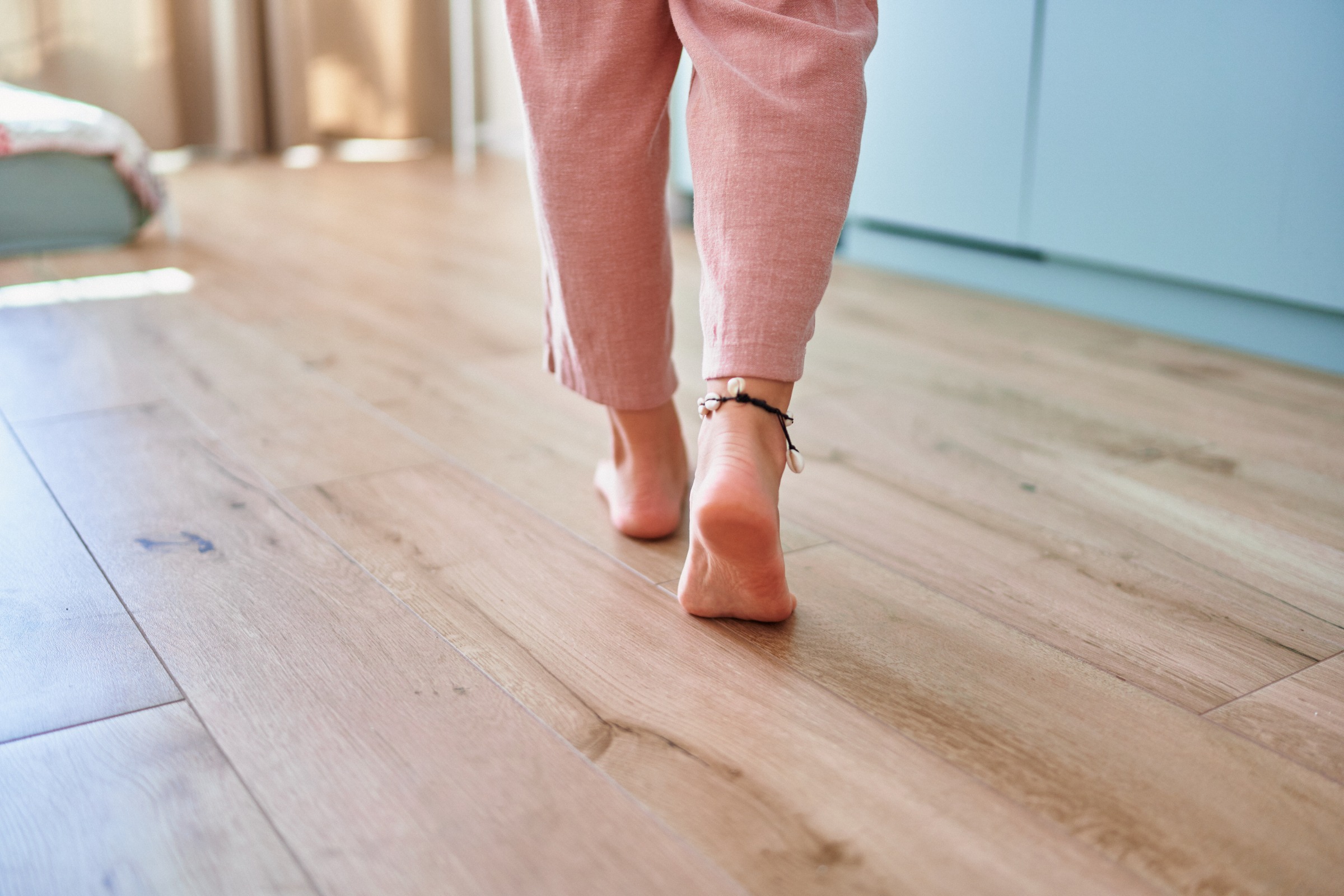
That is one reason this decision can feel harder than comparing wood to laminate or vinyl. Engineered hardwood and solid hardwood can look very similar once installed, especially when you are looking at quality products with attractive grain, rich finish options, and natural texture. In many everyday living spaces, most people are not going to walk in and immediately know which one they are standing on.
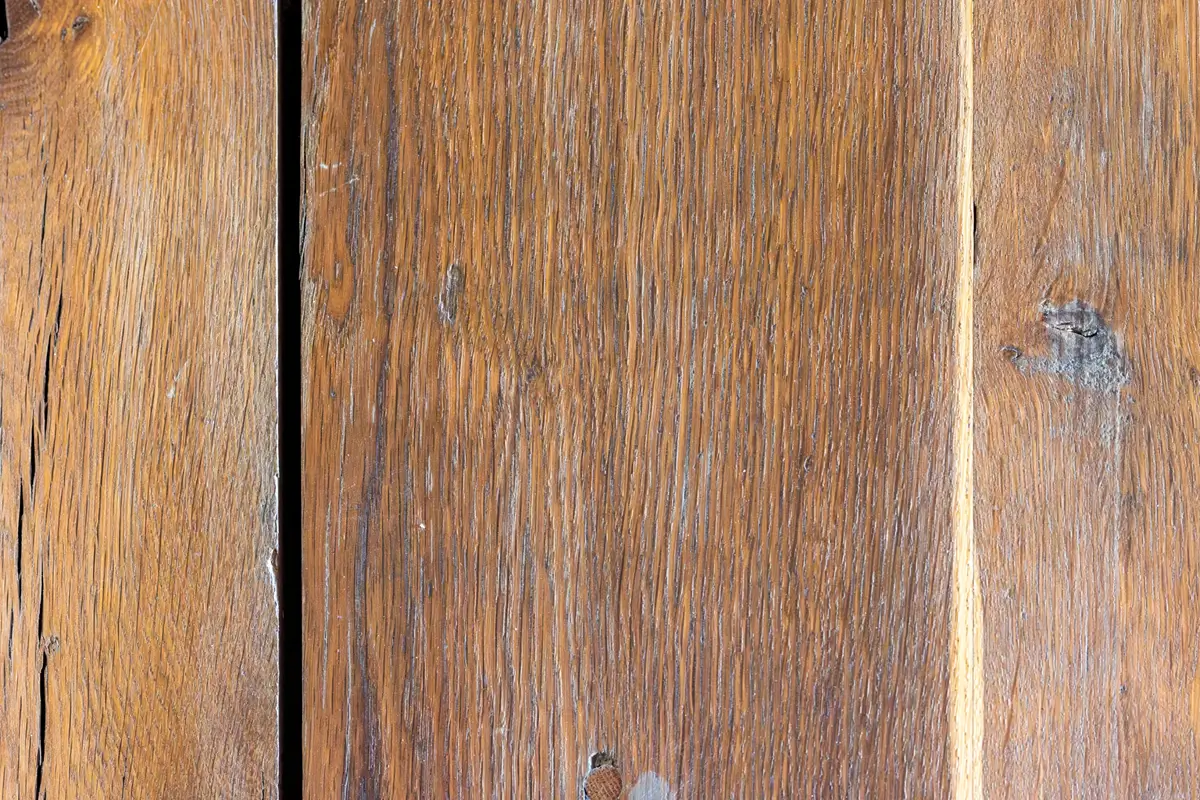
What people do notice is the overall look of the wood itself. They notice the grain pattern, the color tone, the width of the planks, the amount of variation from board to board, and whether the finish feels smooth, textured, matte, or more polished. They notice whether the room feels warm, classic, modern, rustic, or refined.
That is why this part of the decision should be about the final look you want in the room, not just the product label. If the style fits the home and the flooring is right for the environment, either option can look beautiful.
From a daily-living point of view, the real difference often shows up less in visual appeal and more in performance, maintenance expectations, and room placement.
Which One Handles Moisture and Temperature Better?
This is where engineered hardwood usually has the advantage.
Because of its layered construction, engineered hardwood tends to handle humidity and temperature changes more predictably than solid hardwood. That added dimensional stability is a major reason homeowners often consider it for spaces where moisture risk is not extreme, but still cannot be ignored. It also tends to make more sense over concrete subfloors or in rooms where seasonal swings are part of normal life.
Solid hardwood needs more caution. Wood naturally expands and contracts, and because solid hardwood is one piece of wood all the way through, it is usually more sensitive to environmental changes. That does not make it a bad flooring choice. It just means room conditions matter more.
For example, if you are choosing flooring for an above-grade living room or bedroom in a well-controlled environment, solid hardwood may be a great fit. But if you are looking at a finished basement, a condo with a slab foundation, or a room that deals with more humidity, engineered hardwood often makes more practical sense.
This is one of the biggest reasons the engineered hardwood vs hardwood conversation matters. The two options may look similar, but they do not respond to home conditions in the same way.
Which One Lasts Longer Over Time?
The honest answer is that both can last a long time, but they do not get there in the same way.
Solid hardwood has a stronger long-term reputation because it can usually be refinished more times over its lifespan. For homeowners thinking in decades, that matters. If you want a floor you may refresh again and again over the years, solid hardwood usually has the edge.
Engineered hardwood can also be a long-lasting floor, especially when you choose a quality product and take care of it properly. The wear layer thickness plays a big role here. Some engineered hardwood products have enough surface material to allow refinishing, while others are more limited in that regard. That means not all engineered hardwood is equal from a lifespan standpoint.
Durability in daily life also depends on more than just the category. Wood species, finish, household activity, pet traffic, maintenance habits, and installation quality all affect how the floor ages.
So when homeowners ask which one lasts longer, the better way to frame the answer is this: solid hardwood often offers more long-term refinishing potential, while engineered hardwood often offers more flexibility in where it can be installed and how it handles everyday environmental challenges.
Engineered Hardwood vs. Solid Hardwood Cost: What Should Homeowners Expect?
Cost matters, but it is rarely the smartest place to stop the comparison.
In many cases, solid hardwood comes with a higher upfront price, especially once you factor in material quality and installation. That higher entry point can be worth it for homeowners who want a more traditional long-term investment and are installing it in rooms where solid wood is a natural fit.
Engineered hardwood is often the more flexible option from a budgeting standpoint. It can give homeowners the look of real wood with a structure that fits more room types and subfloors. That makes it appealing for renovations where performance and cost both matter.
Installation can also affect the decision. Solid hardwood often requires a more specific installation approach, while engineered hardwood may offer more versatility depending on the product and subfloor. That does not mean engineered is always the cheaper option or that solid is always the expensive one. It means the full value equation depends on where the floor is going and what you need from it.
That is why homeowners should think beyond sticker price. The better question is not just which one costs less today. It is which one makes more sense for your home over time?
Where Does Each One Make the Most Sense?
The easiest way to think about this decision is room by room.
Solid Hardwood
Solid hardwood often makes the most sense in classic, above-grade living spaces where long-term ownership and refinishing potential are major priorities. Think living rooms, dining rooms, bedrooms, and hallways in homes where moisture is well controlled and the goal is a traditional wood-floor investment.
Engineered Hardwood
Engineered hardwood often makes more sense in spaces where subfloor conditions, humidity, or installation flexibility matter more. That can include condos, homes with slab foundations, finished basements, and rooms where homeowners still want real wood but need a more stable construction.
Shared Use Cases
There are plenty of spaces where either option can work. Main living areas, bedrooms, and open-concept spaces can often go either way depending on the home environment, the product quality, and the homeowner’s priorities.
That is why the best hardwood flooring for home use is not about choosing one winner for every situation. It is about matching the right wood floor to the right space.
How to Choose the Right Hardwood for Your Home
If you are deciding between solid hardwood vs engineered hardwood, a few questions usually bring clarity quickly.
Start with your subfloor. If you are dealing with concrete or below-grade conditions, engineered hardwood often becomes the more realistic option.
Then think about moisture and climate. If your home sees humidity shifts, seasonal changes, or rooms that are not perfectly controlled, engineered hardwood usually gives you more flexibility.
Next, think about household activity. Pets, kids, traffic patterns, and maintenance habits all matter. Some homeowners care most about long-term refinishing potential. Others care more about practical performance and room compatibility right now.
Finally, think about budget and ownership goals. If you are making a long-horizon investment in a classic living space, solid hardwood may feel worth it. If you want real wood with broader installation flexibility, engineered hardwood may be the better fit.
If you are still weighing the pros and cons, this related hardwood flooring guide is useful for thinking through wood flooring from a broader homeowner perspective.
Explore Hardwood Options at Home with Express Flooring
This is one of those flooring choices that usually gets easier when you stop trying to decide from product names alone.
Engineered hardwood and solid hardwood can both look great on a sample, but the better decision comes from seeing the options in the actual home. Lighting, wall color, room size, existing décor, and the way the space is used all influence what feels right.
That is also where it helps to compare wood tones, plank styles, textures, and finishes side by side instead of trying to imagine them from a showroom display.
Common Questions Homeowners Ask About Engineered Hardwood vs. Solid Hardwood
Is engineered hardwood real wood?
Yes. Engineered hardwood has a real hardwood top layer, which is why it looks and feels like real wood in the home. The main difference is that the layers underneath are built for added stability.
Does solid hardwood always last longer?
Not automatically, but it often has the advantage when it comes to long-term refinishing potential. That said, a quality engineered hardwood floor can still last for many years when it is well-matched to the room and properly maintained.
Which one is better for a basement?
Engineered hardwood is usually the more practical choice if wood is being considered for a finished basement. Its layered construction generally handles below-grade conditions better than solid hardwood.
Is solid hardwood always the more expensive option?
Often, but not in every single case. Product quality, species, finish, installation method, and room conditions can all affect the total cost. The better value depends on what the room needs, not just which option starts lower.
Choose the Hardwood That Fits How You Actually Live
The real difference between engineered hardwood and solid hardwood is not about which one sounds more premium. It is about which one fits your home better.
Solid hardwood makes a strong case when you want a classic, long-term wood floor in the right above-grade environment. Engineered hardwood makes a strong case when you want real wood with more flexibility around moisture, subfloor conditions, and everyday practicality.
If you want help comparing both in your actual space, the next step is simple. Schedule a free in-home consultation with Express Flooring to compare engineered hardwood and solid hardwood and choose the right fit for your home.