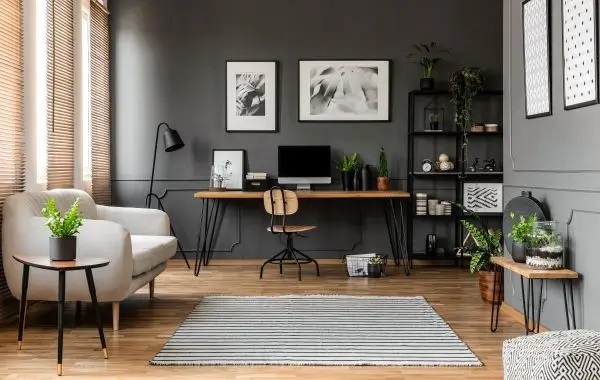
With the rise of remote work, creating a functional and comfortable home office has never been more important. While desks, chairs, and lighting often take center stage, one crucial element is frequently overlooked—flooring. The right flooring can enhance the aesthetic appeal of your space, improve comfort, and even boost productivity. Let's explore some of the best flooring options for a home office and how they can transform your work environment.
1. Traditional Hardwood Flooring: Classic & Timeless
Hardwood floors bring a timeless elegance to any space. They add warmth and sophistication, making your office feel inviting and professional. Beyond aesthetics, hardwood is also a durable investment that can last for decades with proper care. However, it does require regular maintenance, including sweeping and occasional refinishing for solid hardwood only, to keep it looking its best. Since hardwood is prone to scratches, using protective mats under office chairs and furniture is a good idea. If you're installing flooring in a basement or an area with moisture concerns, consider hardwood as a more stable alternative.
Pros of Hardwood Flooring in a Home Office
-
Elegant and timeless – Matches almost any decor style.
-
Highly durable – With proper care, it can last decades.
-
Increases home value – Great for long-term investment.
-
Easy to clean – Just sweep or mop occasionally.
Cons of Hardwood Flooring
-
Can be expensive – Costs more than some alternatives.
-
Scratches easily – Office chairs and furniture can cause wear.
-
Noisy – Hard surfaces don’t absorb sound well.
Pro Tip: Use an area rug or a chair mat to protect the wood and reduce noise.
2. Engineered Hardwood Flooring
Engineered hardwood flooring is an excellent option for homeowners who love the warmth and classic appeal of wood but want a more budget-friendly and versatile alternative to solid hardwood. Made by bonding a real hardwood veneer to a core of plywood or high-density fiberboard, engineered hardwood delivers the same rich aesthetic as solid wood but with improved stability and resistance to moisture. This makes it especially well-suited for areas where traditional hardwood may not perform as well, such as basements or rooms with fluctuating humidity. Plus, it tends to be more affordable than solid hardwood, making it a smart choice for style-conscious home office makeovers.
Benefits of Engineered Hardwood Flooring
-
Looks and feels like real hardwood
-
More affordable than solid wood
-
Better resistance to moisture and temperature changes
-
Can be installed in more areas of the home (including basements)
-
Easier installation with options like click-lock systems
Disadvantages
-
Limited refinishing potential compared to solid hardwood
-
Still more expensive than laminate or vinyl
-
Quality can vary depending on brand and construction
3. Carpet Flooring: Cozy & Sound-Absorbing
If comfort is your top priority, carpet flooring is an excellent choice. It provides a soft, cushioned feel underfoot, making long working hours more pleasant. Carpet also helps with noise reduction, creating a quieter and more peaceful work environment - especially beneficial for those who take a lot of calls or share their home with others. However, carpets require regular vacuuming and occasional deep cleaning to maintain their appearance. If you're worried about stains, opt for stain-resistant carpet varieties or carpet tiles, which allow you to replace individual sections if needed.
Benefits of Carpet in a Home Office
-
Great for soundproofing – Reduces echo and noise.
-
Soft and comfortable – Feels great underfoot.
-
Wide range of colors & textures – Perfect for customizing your space.
Downsides of Carpet
-
Can trap dust and allergens – Not ideal for allergy sufferers.
-
Harder to clean – Stains can be tricky to remove.
-
Less durable – Heavy furniture and rolling chairs can wear it down.
Pro Tip: Choose low-pile or commercial-grade carpet for better durability and easier maintenance.
4. Luxury Vinyl Flooring: Stylish & Practical
Luxury vinyl flooring (LVP or LVT) is one of the most popular choices for home offices due to its balance of affordability, durability, and style. It can convincingly mimic the look of natural materials like wood or stone while being more resistant to scratches, stains, and moisture. Another major advantage is its comfort—luxury vinyl tends to be softer underfoot than tile or hardwood. Installation is relatively easy, with many styles featuring click-lock systems that make them a great option for DIY enthusiasts. If you want a stylish, low-maintenance flooring option that stands up to daily wear and tear, luxury vinyl is worth considering.
Why Vinyl is a Great Home Office Flooring Option
-
Looks like real wood or tile – But at a fraction of the cost.
-
Extremely durable – Resists scratches, stains, and water damage.
-
Soft underfoot – Comfortable for standing desks.
-
Easy to clean – Just sweep and mop occasionally.
Downsides of Vinyl Flooring
-
Not as luxurious as real wood – Though high-quality vinyl comes close!
-
Can fade over time – If exposed to direct sunlight.
-
Requires the use of plastic/poly chair mats - to protect against damage from rolling chairs/furniture.
Pro Tip: Choose waterproof vinyl flooring if you want something low-maintenance and spill-proof!
5. Laminate Flooring: Affordable & Stylish
Laminate flooring is an excellent, budget-friendly alternative to hardwood. Thanks to modern advancements, high-quality laminate can now closely resemble the appearance of real wood or stone while offering enhanced scratch resistance. This makes it ideal for home offices where chairs and furniture are frequently moved around. One potential drawback is its sensitivity to moisture, so it's not the best choice for damp environments. Additionally, laminate can sometimes produce a hollow sound when walked on, but this can be mitigated with proper underlayment to improve acoustics and comfort.
Why Laminate Flooring Works for Home Offices
-
Affordable alternative to hardwood – Looks high-end without the cost.
-
Scratch-resistant – Great for rolling chairs.
-
Easy to install – Many options come with DIY-friendly click-lock systems.
-
Low maintenance – Just sweep and mop!
-
Thicker and more durable - than other alternatives, such as vinyl.
Laminate Flooring Drawbacks
-
Not waterproof – Can swell if exposed to water.
-
Not as premium as real hardwood – Though it looks close!
-
Requires chair mats - To protect the locking mechanism.
Pro Tip: Use felt pads under furniture to prevent scratches.
6. Tile Flooring: Modern & Durable
For a sleek and modern look, tile flooring is a fantastic option. It is incredibly durable, easy to clean, and resistant to scratches and stains. This makes it particularly appealing for those who want a long-lasting, low-maintenance solution. Tile is also great for allergy sufferers since it doesn’t trap dust or allergens. However, its hardness can be tough on the feet, which is why many people choose to add area rugs for extra comfort. Porcelain tile is a particularly good choice, as it offers enhanced durability and comes in designs that mimic natural stone or wood.
Pros of Tile Flooring
-
Extremely durable – Resistant to scratches and wear.
-
Waterproof – Perfect for spill-prone offices.
-
Cool and refreshing – Ideal for hot climates.
Cons of Tile Flooring
-
Can feel cold and hard – Not as comfortable as other options.
-
Requires area rugs for warmth – Otherwise, the space might feel sterile.
Pro Tip: Use large format tiles for a sleek, modern look.
Which Home Office Flooring is Best for You?
The best flooring for your home office depends on your lifestyle, budget, and needs. Here’s a quick guide to help you decide:
|
Flooring Type |
Best For |
Pros |
Cons |
|
Hardwood |
Elegant, high-end offices |
Timeless, increases home value |
Expensive, scratches easily |
|
Luxury Vinyl |
Budget-friendly, modern spaces |
Durable, water-resistant |
Can fade in sunlight |
|
Laminate |
Affordable alternative to wood |
Scratch-resistant, DIY install |
Not waterproof |
|
Tile |
Hot climates, durable spaces |
Waterproof, modern look |
Cold, needs area rugs |
|
Carpet |
Cozy, soundproofing |
Soft, warm, reduces noise |
Harder to clean, wears down |
Choosing the Best Flooring for Your Home Office
When selecting the right flooring for your workspace, consider factors such as foot traffic, comfort, aesthetics, and budget. High-traffic areas require durable materials, while those spending long hours on their feet may prefer softer surfaces. Your choice should also complement the overall design of your home and personal style. Whether you opt for the warmth of hardwood, the softness of carpet, or the practicality of vinyl or laminate, choosing the right flooring will help create an inspiring and functional workspace that enhances productivity and comfort.
Final Tips for Home Office Flooring
-
Use a chair mat to protect your flooring from rolling chairs.
-
Consider noise levels—choose carpet or vinyl for quieter spaces.
-
Think about resale value—hardwood and tile add long-term value.
-
Test samples in your space before committing!
Need help choosing the best flooring for your home office? Contact Express Flooring for a free in-home consultation and see samples right in your space!