
Introduction to Commercial Carpet Flooring
When businesses look at redesigning or upgrading their spaces, flooring is often one of the most overlooked aspects. Yet, it plays a vital role in shaping the aesthetic appeal, comfort level, safety standards, and overall functionality of a commercial space. From offices and schools to hotels and hospitals, the type of flooring chosen can influence not only the interior look but also the well-being of employees and visitors.Among the various choices available—such as hardwood, vinyl, laminate, or tile—commercial carpet flooring consistently emerges as a top contender. Why? Because it offers the perfect blend of style, durability, and practicality. Unlike residential carpets, commercial versions are specifically engineered to withstand heavy foot traffic, resist stains, and maintain a professional appearance for years. Businesses that invest in commercial carpet flooring often find that it enhances their brand image while saving money in the long term.
The Growing Popularity of Commercial Carpet Flooring
Market Trends in Office and Retail Spaces
The flooring industry has witnessed a noticeable shift in preferences over the past decade. Corporate offices and retail stores are moving away from traditional hard flooring toward more comfortable and functional carpeted solutions. Modern carpets are not the outdated, high-maintenance options of the past. Today’s innovations include modular carpet tiles, stain-resistant fibers, and cutting-edge backing systems that make them easy to install, replace, and maintain. Retailers love the versatility—carpets can be swapped out section by section without disrupting business operations.Shifting Preferences Towards Sustainable Flooring
Sustainability is no longer a “nice-to-have”—it’s a priority. Businesses seeking eco-friendly flooring options find commercial carpets appealing because many are made from recycled materials and low-VOC adhesives. This reduces harmful emissions while supporting environmental initiatives. Many suppliers now offer carpets that are Cradle-to-Cradle Certified™ or contribute to LEED points, which adds credibility to companies focused on corporate social responsibility.Key Benefits of Commercial Carpet Flooring
Superior Comfort and Acoustic Performance
One of the most immediate benefits of commercial carpet flooring is comfort underfoot. Employees working in high-traffic areas or standing for extended periods appreciate the cushioning effect. Beyond comfort, carpet significantly enhances acoustic performance, reducing echoes and muffled conversations. Studies show that noise reduction can improve productivity by up to 15% in office environments, as employees are less distracted and more focused on their work.Safety Features: Slip Resistance and Cushioning
Workplace safety is always a priority. Hard floors can become hazardous when wet, but commercial carpets inherently offer better traction. In environments such as schools and hospitals, where safety is critical, carpet also provides a cushioning effect that reduces the severity of injuries in case of slips and falls.Enhanced Indoor Air Quality
Unlike hard surfaces that allow dust to circulate in the air, carpets act like a filter, trapping particles until they are vacuumed away. This leads to improved indoor air quality, which is especially beneficial for allergy and asthma sufferers. Combined with routine maintenance, this feature makes carpets ideal for healthcare facilities and other sensitive environments.Aesthetic Versatility of Commercial Carpet Flooring
Wide Range of Styles, Patterns, and Colors
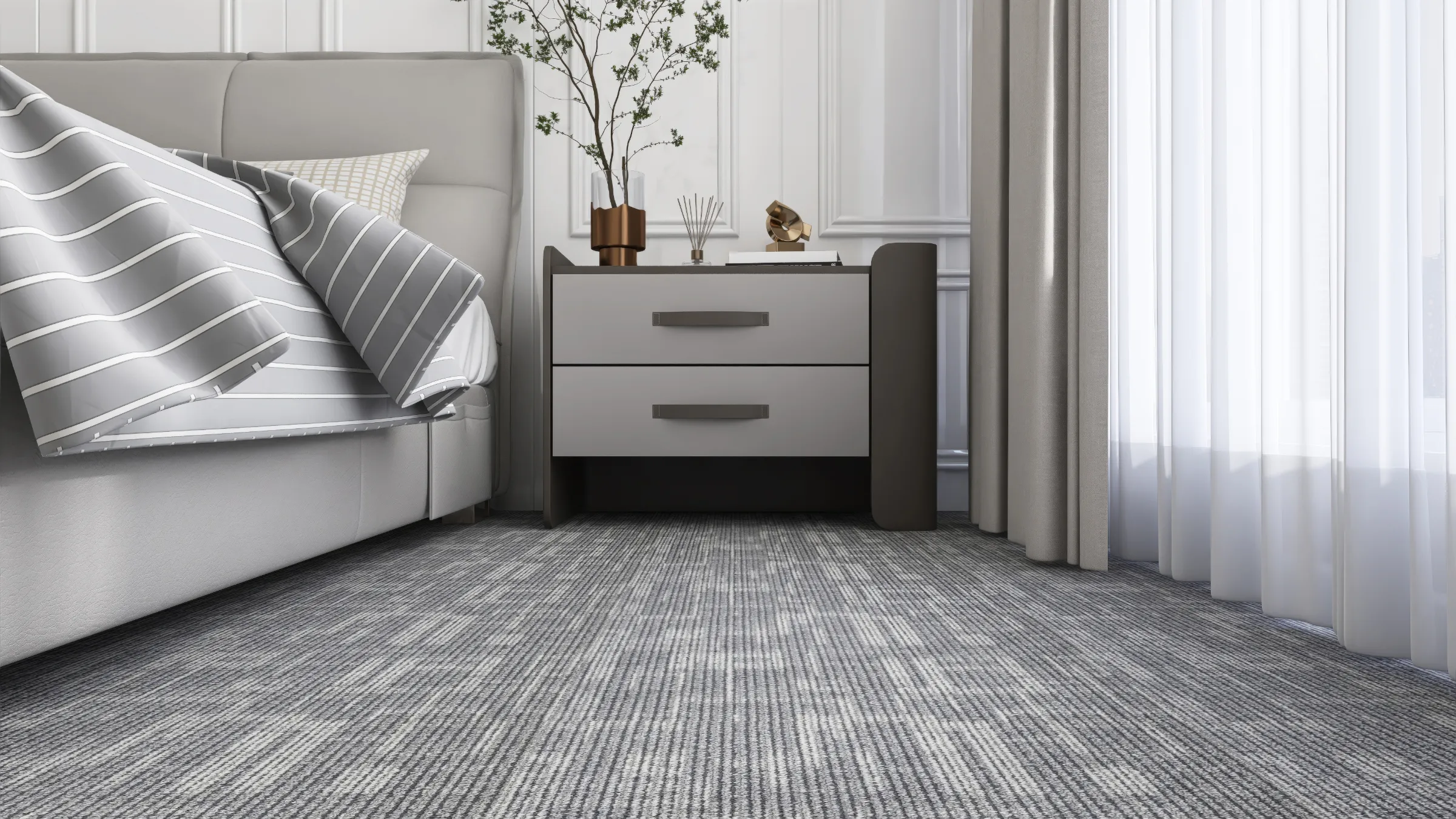
One of the biggest advantages of carpet flooring is its design flexibility. Businesses can choose from thousands of styles, colors, and textures to match their corporate identity. Whether you want a sleek, minimalistic look for a law office or vibrant, creative patterns for a marketing agency, carpet can deliver.Branding and Customization Opportunities
Custom-designed carpets can incorporate logos, colors, or patterns unique to a company. Hotels often use custom carpets in lobbies and corridors to establish a signature look. This branding opportunity turns flooring from a purely functional element into a marketing asset that reinforces identity and leaves a lasting impression on customers.Durability and Long-Term Value
Stain Resistance and Easy Maintenance
Commercial carpets today are designed with stain-resistant fibers and protective finishes, making them ideal for high-traffic areas where spills and dirt are unavoidable. Routine vacuuming combined with occasional deep cleaning keeps them looking fresh and professional.Longevity Compared to Other Flooring Options
When properly maintained, high-quality commercial carpets can last 10–15 years, often outlasting vinyl or laminate flooring that may wear out more quickly in busy spaces. This durability translates to long-term savings, making carpet a cost-effective investment.Comparison Table: Carpet vs. Other Flooring Options
| Feature | Commercial Carpet Flooring | Vinyl Flooring | Hardwood/Laminate |
|---|---|---|---|
| Comfort Underfoot | High (soft & cushioned) | Low | Moderate |
| Acoustic Performance | Excellent (noise reduction) | Poor | Moderate |
| Safety (Slip Resistance) | High | Medium | Low |
| Design Flexibility | Very High (customizable) | Medium | Limited |
| Maintenance | Easy (vacuum & clean) | Easy | High |
| Durability (Traffic) | 10–15 years | 7–10 years | 8–12 years |
| Installation Cost | Low to Medium | Low | High |
| Eco-Friendly Options | Available (recyclable) | Limited | Few |
Cost-Effectiveness of Commercial Carpet Flooring
Lower Installation Costs
When compared to other flooring options like hardwood, tile, or stone, commercial carpet flooring often comes out as the most budget-friendly choice. The installation process is generally faster and less labor-intensive, especially when using carpet tiles. These modular tiles allow for partial replacements rather than full-scale reinstallation, saving time and money when sections become worn or damaged. Additionally, businesses don’t need to shut down operations for long periods, as installation can be phased or completed overnight.Energy Efficiency and Insulation Benefits
Carpet is not just affordable at the outset—it continues to save money throughout its lifespan. Thanks to its insulating properties, carpet helps regulate indoor temperatures by reducing heat loss during colder months and maintaining cooler floors during the summer. This natural insulation can result in lower utility bills, a benefit that is especially attractive for large commercial buildings with high energy demands. Research shows that carpet can improve energy efficiency by up to 12% in office spaces, making it a smart financial and environmental choice.Sustainability and Eco-Friendly Options
Recyclable Materials and Green Certifications
With growing awareness of environmental impact, many businesses are demanding green flooring solutions. Commercial carpet manufacturers have responded by producing carpets from recycled plastics, nylon, and renewable fibers. Some carpets are designed for closed-loop recycling, meaning they can be broken down and repurposed into new carpet products.Contribution to LEED and Green Building Standards
Sustainability also extends to green building certifications like LEED (Leadership in Energy and Environmental Design). Choosing carpets made from eco-friendly materials, paired with low-VOC adhesives, can help organizations earn valuable points toward certification. This not only improves the building’s environmental performance but also enhances the company’s reputation as a sustainability leader.Practical Applications of Commercial Carpet Flooring
Offices and Corporate Spaces
In office settings, carpets help create a quiet, professional environment. They reduce distractions caused by footsteps, phone conversations, and office equipment. Open-plan offices, in particular, benefit greatly from carpet flooring, as it softens the acoustics of large, open spaces.Hotels, Restaurants, and Hospitality Venues
Hospitality spaces rely heavily on ambience and comfort to deliver exceptional customer experiences. Carpets in hotel lobbies, corridors, and guest rooms add warmth and elegance. In restaurants, they contribute to noise control and create a cozy, inviting atmosphere.Educational Institutions and Healthcare Facilities
Schools and hospitals require flooring that balances safety, comfort, and durability. Carpet meets all three needs. In classrooms, it reduces noise and provides a comfortable space for group learning. In hospitals and clinics, carpet helps cushion footsteps, minimizing disturbances for patients while reducing the likelihood of slip-related injuries.Comparing Commercial Carpet Flooring with Other Options
Carpet vs. Vinyl Flooring
Vinyl flooring is popular for its water resistance and durability. However, it lacks the softness, acoustic benefits, and customization options of carpet. Vinyl can also feel cold underfoot, which may affect comfort in office or hospitality environments.
Carpet vs. Hardwood and Laminate
Hardwood and laminate floors are prized for their elegance and longevity, but they come with higher costs and increased maintenance needs. Scratches, dents, and refinishing requirements make them less practical for high-traffic areas. Carpet, on the other hand, provides better noise control, affordability, and safety features, making it the more practical choice in many commercial applications.Maintenance Tips for Commercial Carpet Flooring
Routine Cleaning Practices
To maximize the lifespan of commercial carpets, regular vacuuming, spot cleaning, and rotation of carpet tiles are essential. This prevents dirt and debris from embedding deep within fibers, maintaining the carpet’s appearance and performance.Professional Deep Cleaning Recommendations
While routine cleaning goes a long way, scheduling professional deep cleaning every 12–18 months is recommended. Techniques like hot water extraction or encapsulation cleaning not only refresh the carpet’s look but also remove allergens and bacteria trapped within the fibers. Investing in professional maintenance ensures carpets continue to perform well for years, extending their return on investment.Choosing the Right Commercial Carpet Flooring
Factors to Consider: Traffic, Budget, and Design
When selecting the right carpet, businesses should consider:- Traffic Volume: High-traffic areas like corridors and lobbies require denser, more durable carpets.
- Budget: Modular carpet tiles may have a slightly higher upfront cost but save money in the long run due to easier replacement.
- Design Aesthetics: Carpets should complement the brand’s visual identity and create the desired atmosphere.
Working with Trusted Flooring Suppliers
A reliable supplier, like Express Flooring, ensures access to high-quality products, warranties, and expert installation services. Partnering with established companies also helps businesses stay updated with the latest eco-friendly and durable carpet options.Frequently Asked Questions (FAQs)
1. How long does commercial carpet flooring last?High-quality commercial carpet can last 10–15 years with proper maintenance.
2. Is commercial carpet flooring easy to clean?
Yes. Daily vacuuming and occasional deep cleaning make it relatively low-maintenance.
3. Does carpet help with noise reduction in offices?
Absolutely. Carpets absorb sound, making them ideal for open office layouts and busy workspaces.
4. Are commercial carpets safe for allergy sufferers?
Yes. They trap dust and allergens until removed through cleaning, preventing them from circulating in the air.
5. Can commercial carpet flooring be customized with logos or patterns?
Yes. Many suppliers offer custom carpet options that include branded colors or designs.
6. Is commercial carpet flooring eco-friendly?
Yes. Many options are recyclable and LEED-compliant, supporting green building initiatives.
Conclusion: Why Commercial Carpet Flooring Remains a Top Choice
Commercial carpet flooring offers an unmatched combination of comfort, safety, design versatility, and long-term value. Its noise-reducing properties make it ideal for busy offices, while its luxurious appearance enhances hotels and hospitality venues. With sustainable options now widely available, carpet also aligns with modern environmental goals.Whether you’re outfitting a corporate headquarters, a university, or a healthcare facility, commercial carpet flooring continues to prove itself as one of the most reliable and cost-effective choices in today’s marketplace. By investing in high-quality carpets and proper maintenance, businesses can enjoy both aesthetic appeal and practical benefits for many years to come.
👉 To explore sustainable flooring choices, visit the U.S. Green Building Council.