
The good news? Yes, you can install hardwood flooring over concrete, but the process requires specific steps, smart planning, and the right materials to ensure success. Whether you're remodeling a basement, upgrading a ground-level living room, or revamping a concrete-floored space in San Antonio, Express Flooring is here to guide you through the process.
Let’s walk through the key considerations and best practices for getting stunning, long-lasting hardwood floors over concrete.
Can Hardwood Flooring Be Installed Over Concrete?
Absolutely. But unlike installation over plywood or wood subfloors, concrete presents some unique challenges, especially when it comes to moisture, levelness, and adhesion. This is why professional preparation is critical. The right process can protect your investment, enhance longevity, and deliver exceptional results.Step One: Subfloor Preparation Is Everything
Installing hardwood over concrete starts with one critical step: subfloor assessment and preparation. Without a smooth, clean, dry, and level surface, your hardwood flooring could face issues like warping, gapping, or even buckling down the line.Here’s what proper preparation includes:
- Moisture Testing: Concrete absorbs and emits moisture. If humidity levels are too high, it can damage wood floors. We'll test for vapor emissions and relative humidity before moving forward.
- Cleaning and Leveling: The concrete must be cleaned of debris, adhesive residue, paint, or oil. Then, any dips or high spots will be corrected to create a flat, even base.
- Surface Smoothing: Cracks and imperfections are patched, and self-leveling compounds are used when needed.
What About Moisture? Here's Why It Matters
Concrete naturally holds and emits moisture even in dry climates. If that moisture reaches your hardwood, it can cause swelling, cupping, and other forms of damage. That’s where moisture mitigation strategies come in.Moisture protection may include:
- Vapor Barriers: A plastic or resin moisture barrier can be applied over the concrete to block moisture transmission.
- Moisture-Resistant Adhesives: If glue-down installation is used, these specialized adhesives help maintain bond strength even when moisture levels fluctuate.
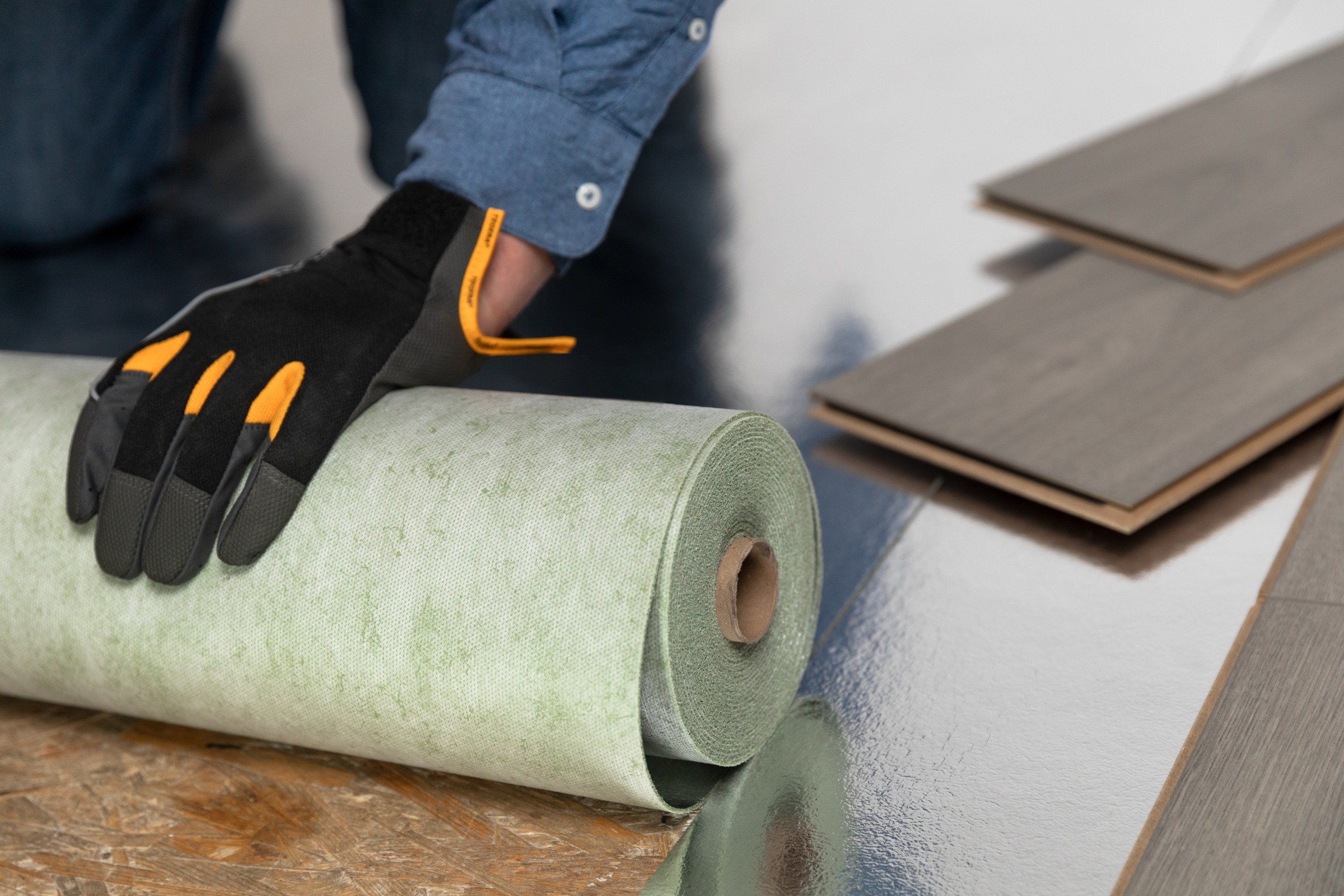
- Floating Floor Systems with Underlayment: This method includes a foam or cork underlayment that creates a moisture and sound barrier while supporting the planks.
Installation Options: How Do You Attach Hardwood to Concrete?
There are three common installation methods when placing hardwood over concrete, each with its own requirements and benefits:1. Glue-Down Hardwood
- Engineered hardwood with a stable core is adhered directly to the concrete.
- Requires premium adhesive and a level, moisture-treated surface.
- Provides a solid, quiet feel underfoot.
2. Floating Floor
- Perfect for engineered hardwood flooring.
- Uses a click-lock system that "floats" over a cushioned underlayment.
- Ideal for areas with moderate moisture or for faster installation.
3. Nail-Down (with a Subfloor System)
- Rare for concrete installations due to the need for a plywood subfloor to nail into.
- Often avoided because it adds height and cost.
Why Engineered Hardwood Works Best Over Concrete
When it comes to installing hardwood over concrete, engineered hardwood is the go-to solution for most projects. Unlike solid hardwood, engineered wood is constructed in layers, making it more dimensionally stable and less susceptible to warping from moisture and temperature changes.Benefits of Engineered Hardwood:
- Moisture resistance: Especially important for slab foundations.
- Design flexibility: Comes in wide planks, unique finishes, and trending styles.
- Lower profile: Allows for easier transition between rooms.
- Sustainability: Often made from responsibly harvested wood.
Aesthetic Versatility with Long-Term Durability
Once properly installed, your hardwood floors won’t just look stunning—they’ll also perform beautifully for decades. In fact, engineered hardwood can last 30 years or more, depending on the thickness of the top veneer.You can choose from a wide range of:
- Colors: From blonde and natural tones to deep espresso and gray finishes.
- Textures: Smooth, hand-scraped, wire-brushed, or distressed.
- Widths: Wide-plank designs create modern, airy aesthetics.
Why Professional Installation Matters
Concrete subfloors require specialized knowledge. That’s why choosing professional installation is a smart move and can even extend your floor’s lifespan.Here’s what our Express Flooring team ensures:
- Accurate moisture readings before installation
- Proper acclimation of materials before use
- High-performance adhesives and moisture barriers
- Seamless transitions between flooring types
- Clean, efficient installation with minimal disruption
Your Local Experts for Hardwood Flooring
At Express Flooring, we make floor shopping easy and stress-free. With our mobile showroom, you get to experience hardwood samples in the very rooms they’ll be installed—no more guesswork or second-guessing under harsh store lights.We proudly serve San Antonio and nearby areas including:
- New Braunfels
- San Marcos
- Boerne
- Canyon Lake
- Seguin
- Austin
- and beyond!
We also serve Texas, Arizona, Las Vegas, Los Angeles, Oklahoma City, and New Mexico, offering top-tier flooring solutions to homeowners and businesses alike.
Ready to Install Hardwood Over Concrete? Let’s Get Started!
Yes, you can install hardwood flooring over concrete. And yes, it can be beautiful, practical, and long-lasting. From subfloor prep to final finish, the Express Flooring team has the tools, experience, and products to make your dream floors a reality.Call today to schedule your free in-home consultation and see the best hardwood options for your concrete foundation. Let’s make your floors extraordinary without the stress.