Replacing flooring can start as a simple idea. Maybe the carpet in one bedroom looks worn out, the kitchen floor feels dated, or the living room no longer matches the way you want your home to feel. But once you begin planning, a bigger question usually comes up: should you replace flooring one room at a time, or does it make more sense to update several rooms at once?
There is no perfect answer for every home. A room-by-room project can feel easier to manage in the short term, especially if only one space really needs attention right now. A larger flooring project can create a cleaner, more consistent look, especially in open layouts, hallways, and connected rooms where flooring is visible from one space to the next.
The right choice depends on your home’s layout, your budget, your daily routine, your design goals, and how much disruption you want to handle at once. This guide breaks down the practical side of flooring project planning so you can make a decision that feels organized, realistic, and better for your home long term.
Why This Decision Matters More Than Homeowners Think
Flooring affects more than the room it is installed in. It changes how your home flows, how open the layout feels, how furniture connects from one area to another, and how finished the space looks overall.
That is why the choice between replacing flooring all at once and updating one room at a time is not just a scheduling decision. It is a design decision, too.
If you replace one room now and another room later, the project may feel easier at first. You can focus on the highest-priority space, make a smaller commitment, and avoid changing your whole home at once. For some homeowners, that is exactly the right approach.
But if your rooms are visually connected, replacing only one section can create challenges. The new floor may look beautiful on its own, but it may not blend well with the flooring next to it. Color, plank direction, material thickness, and transitions between rooms can all affect the final look.
If you are still early in the process, starting with Express Flooring’s in-home flooring shopping process can help you compare samples in your actual lighting, next to your furniture and décor, before deciding whether a single-room or multi-room update makes more sense.
When Replacing Flooring One Room at a Time Makes Sense
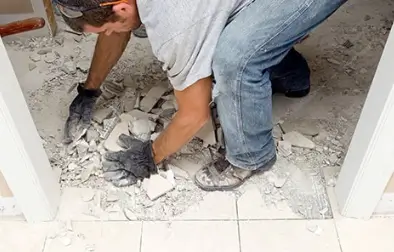
Replacing flooring one room at a time can be a smart approach when the need is isolated. If one room has water damage, pet wear, old carpet, cracked tile, or flooring that simply no longer fits the way the room is used, it may not make sense to wait until the entire home is ready.
This approach also works well when you want to start with the space that bothers you most. For example, if your family spends most evenings in the living room, updating that room first may give you the biggest daily improvement. If a bedroom is being converted into a nursery, guest room, or home office, that one space might deserve attention before the rest of the house.
Room-by-room updates can also make sense when different rooms need different flooring types. Carpet might be ideal for bedrooms, luxury vinyl plank might work better in busy living areas, and tile may make more sense in moisture-prone spaces. In that case, replacing everything at once with one material may not be the best goal.
For some households, smaller projects also feel less disruptive. If you have pets, young kids, work-from-home schedules, or limited flexibility, handling one room at a time can feel more manageable.
The main thing is to plan. Even if you only replace one room now, think about how that choice will affect future rooms later.
When Replacing Flooring All at Once Makes More Sense
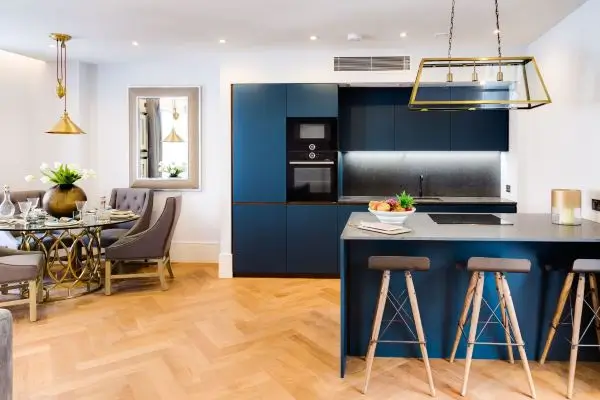
Replacing flooring all at once often makes more sense when your home has open-concept spaces, long sightlines, or rooms that flow directly into one another. In these layouts, flooring is part of the overall visual connection. If each room has a different material, color, or height, the home can start to feel broken up.
A whole-home flooring installation can help create a more seamless look. It allows you to choose one consistent material for connected spaces, match color and texture more easily, and avoid the risk of trying to find the same product months or years later.
That last point matters. Flooring styles, dye lots, finishes, and product lines can change over time. If you install one room now and hope to match it perfectly later, that may not always be easy. Even small differences in tone or texture can become noticeable when two floors meet.
Updating multiple rooms together can also make installation planning feel more streamlined. Instead of scheduling separate projects, moving furniture more than once, and making multiple rounds of decisions, you can plan the project as one larger update.
This option is especially worth considering if you already know several rooms need new flooring and you want the finished result to feel intentional rather than patched together.
Think About How Your Rooms Connect
Before deciding one room at a time or all at once, walk through your home and look at the places where flooring meets.
Pay attention to doorways, hallways, open living areas, kitchen entries, bedroom corridors, and stair landings. These transition points matter because they shape how smooth or choppy the final project feels.
In a closed bedroom, a different flooring choice may not stand out much. But in an open living room connected to a hallway and dining area, a sudden flooring change can be much more noticeable.
Flooring transitions between rooms are not automatically bad. In fact, they can work beautifully when they are planned well. The goal is to make them feel intentional. The transition should account for height differences, material changes, traffic flow, and the overall look of the home.
Poor transitions can make even new flooring feel unfinished. A material change in the wrong spot, a height difference that catches the foot, or a color mismatch in a main sightline can make the update feel less polished.
That is why expert installation matters. Product selection is important, but the way one floor connects to another is part of the finished result. If you are planning different materials across nearby spaces, this guide to seamless flooring transitions between rooms can help you think through the details before installation day.
What to Consider Before Installation Day
Whether you update one room or several, installation planning makes the process easier.
Furniture is one of the biggest things homeowners think about first. Beds, sofas, dining tables, desks, and entertainment centers all need to be moved or worked around. Express Flooring offers free furniture moving as part of its installation process, which can make a major flooring project feel much less overwhelming.
Room access is another factor. If you are replacing flooring in a main hallway, kitchen, or living space, think about how your household will move through the home during the project. If bedrooms or bathrooms are involved, consider timing, privacy, and daily routines.
Pets and children also matter. New flooring installation can involve tools, materials, open work areas, and temporary disruption. Planning where pets and kids will stay during work can make the process safer and smoother.
You should also think about whether multiple rooms need the same material or different products. A busy family room may need a highly durable surface, while a bedroom may prioritize softness and warmth. The best flooring plan is not always one material everywhere. It is the plan that matches each room while still keeping the home visually connected.
How to Choose the Right Plan for Your Home
A practical way to start is by ranking your rooms.
Which room bothers you the most? Which flooring looks the most worn? Which space affects your daily routine the most? If one area clearly stands out, replacing flooring one room at a time may be the right first step.
Next, look at long-term consistency. If you know you eventually want new flooring across the entire main level, choosing the material one room at a time may create matching issues later. In that case, a larger project may save you from design regrets.
Then think about the function. A kitchen, bedroom, hallway, and living room do not all experience the same wear. Flooring should match how each room is used. Moisture, foot traffic, pets, furniture, sunlight, and cleaning routines all shape the right choice.
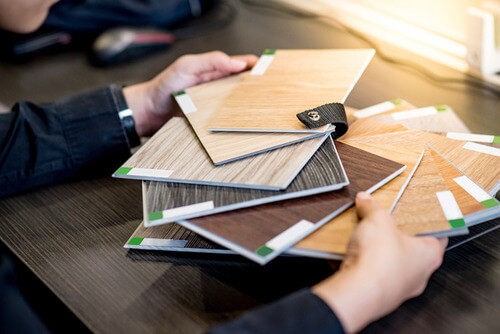
Finally, compare samples in your actual home. Flooring can look very different under showroom lights than it does next to your walls, cabinets, rugs, and furniture. Seeing samples in your own lighting helps you decide whether one flooring choice can work across multiple rooms or whether each space needs a slightly different solution.
A good flooring plan should answer three questions:
-
Which Rooms need new flooring now?
-
Which Rooms will likely need new flooring later?
-
Which Choices will still look intentional when the project is finished?
If the answer points to one emergency room, start there with a plan for the future. If the answer points to several connected spaces, consider doing more at once.
Plan Your Flooring Project with Express Flooring
Flooring decisions are easier when you can compare options in the space where they will actually be installed.
Express Flooring’s in-home consultation process is designed around that idea. Instead of guessing how a color, texture, or material will look from a showroom sample, you can review flooring options in your own lighting and layout. That is especially helpful when deciding whether to replace one room or update several connected rooms together.
Professional guidance can also help you think through transitions, room function, furniture moving, installation timing, and which materials make the most sense for your home. A floor may look beautiful in a single sample, but the better question is how it will work across the full layout of your house.
Questions Homeowners Ask Before Planning a Flooring Project
Is it better to replace flooring one room at a time?
It would be better if only one room were damaged, outdated, or used differently from the rest of the home. This approach also works well when you want to start with a priority space and keep the project smaller. The main thing is to choose flooring with future rooms in mind, so the home does not feel mismatched later.
Is it cheaper to replace all the flooring at once?
Not always, but replacing multiple rooms at once can sometimes make planning more efficient because you are handling product selection, scheduling, furniture moving, and installation together. The better question is not only what costs less upfront, but which approach avoids future matching issues, repeated disruption, and design regrets.
How do I avoid mismatched flooring between rooms?
Start by looking at sightlines and transition points. If rooms are open or connected, choose materials and colors that flow together. If you use different flooring types, plan the transition carefully so the change looks intentional instead of accidental.
Should all the flooring on one level match?
Not necessarily. Many homes use different flooring in bedrooms, bathrooms, kitchens, and living spaces. The key is consistency, where rooms visually connect. In open areas, matching or coordinating flooring often creates a cleaner look. In closed rooms, you usually have more flexibility.
What should I do before flooring installation starts?
Clear fragile items, confirm which rooms will be worked on, think through pet and child safety, and make sure installers have access to the project areas. If furniture moving is included, you may not need to move large pieces yourself, but it is still smart to remove personal items, valuables, and small décor ahead of time.
Make the Project Feel Planned, Not Pieced Together
Deciding whether to replace flooring one room at a time or all at once comes down to how your home is laid out, how your family lives, and what you want the finished result to feel like.
If one room is the clear problem, starting there can be a smart move. If several connected rooms need attention, updating them together may create better flow and fewer regrets later. Either way, the best flooring project is the one that feels planned from the beginning.
Not sure whether to replace one room or update several rooms at once? Schedule a free in-home consultation with Express Flooring and get expert help planning the right flooring project for your home.