New flooring can completely change the way a home looks and feels, but the surface you see is only part of the project. What sits underneath the flooring matters just as much.
A beautiful carpet, vinyl plank, hardwood, laminate, or tile floor still depends on the condition of the subfloor below it. If that foundation is uneven, damp, damaged, or unstable, the finished floor may not perform the way it should. It can feel noisy, wear unevenly, shift, crack, buckle, or become harder to maintain over time.
That is why homeowners should understand the most important subfloor signs before new flooring. You do not need to become a flooring expert, but knowing what to look for can help you ask better questions, avoid surprises, and choose flooring that fits your home’s actual conditions.
What Is a Subfloor, and Why Does It Matter?
A subfloor is the structural surface underneath your finished flooring. It is the layer that supports the carpet, luxury vinyl plank, hardwood, laminate, tile, or other flooring material you walk on every day.
In some homes, the subfloor may be wood. In others, especially slab foundations, basements, and certain lower-level spaces, it may be concrete. Either way, the subfloor plays a major role in how the final floor feels, sounds, and holds up.
Think of it like the foundation for the finished flooring. If it is stable, level, dry, and properly prepared, the new floor has a much better chance of looking and performing the way it should. If it has hidden problems, those issues can show up after installation.
That is why professional flooring installation matters. The right flooring choice is important, but the preparation underneath the product is what helps the finished project feel solid, smooth, and built for real life.
Warning Signs Your Subfloor May Need Attention
Some subfloor problems are obvious. Others are easier to miss until new flooring is planned. Before replacing your floors, pay attention to anything that feels different underfoot or looks unusual on the surface.
Common warning signs include:
-
Uneven or sloping areas that feel lower or higher than the rest of the room.
-
Soft or bouncy spots that move when you walk across them.
-
Squeaks that happen repeatedly in the same area.
-
Musty Smells that may point to moisture under the flooring.
-
Cracks, Dips, or visible damage in the existing floor.
-
Buckling, Warping, or separating flooring already in place.
-
Loose Tiles, lifting planks, or carpet areas that feel uneven underneath.
One warning sign does not always mean there is a major problem, but it does mean the area deserves attention before new flooring goes in. A worn floor may be hiding subfloor damage underneath, especially if moisture, age, or heavy traffic has been part of the issue.
The goal is not to panic. The goal is to avoid covering up a problem that could affect the next floor.
Moisture Is One of the Biggest Subfloor Problems
Moisture is one of the most important subfloor problems before flooring because it can affect so many materials.
In concrete subfloors, moisture can move upward from the slab. In wood subfloors, moisture may come from leaks, humidity, spills, plumbing issues, or previous water damage. In kitchens, bathrooms, laundry areas, basements, and entryways, this risk becomes even more important.
Moisture under flooring can lead to several problems, including musty odors, mold or mildew concerns, warping, buckling, swelling, and adhesive issues. It can also shorten the life of the new floor if the flooring type is not right for that room or if the subfloor is not properly prepared.
This is where moisture barriers and underlayment may matter. Not every room needs the same setup, and not every flooring product has the same requirements. A basement over concrete, for example, may need a different approach than an upstairs bedroom with a dry wood subfloor.
The main thing homeowners should remember is simple: if there is a moisture concern, it should be addressed before the new flooring is installed.
Why Uneven Subfloors Can Cause Flooring Problems
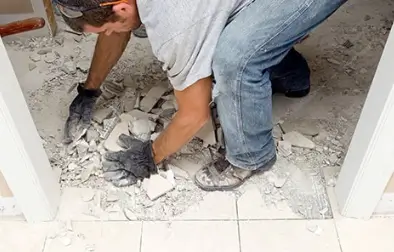
An uneven subfloor may not seem like a big deal at first, especially if the old flooring is still covering it. But once new flooring is installed, bumps, dips, low spots, and high spots can become much more noticeable.
Uneven subfloor warning signs can show up in different ways. You may notice areas that feel hollow, planks that move slightly, gaps that appear between flooring pieces, tiles that crack, or carpet that wears unevenly in certain spots. In some cases, the floor may simply feel less comfortable and less stable than it should.
This matters because different flooring types respond differently to uneven surfaces. Floating floors, such as many laminate and LVP products, need a stable surface underneath so the locking system can perform properly. Tile needs a strong, level base to help reduce the risk of cracking. Hardwood also needs proper conditions so it can perform well over time.
Underlayment can help with some minor imperfections, comfort, sound, and moisture protection, depending on the product and flooring type. But it is not a magic fix for every subfloor issue. If the surface needs leveling, repair, or prep, that should happen before the final floor is installed.
For a deeper look at how the layer beneath your finished floor affects comfort and performance, Express Flooring’s guide to floor underlayment is a helpful related resource.
Different Flooring Types Need Different Subfloor Conditions
The right subfloor preparation depends partly on the flooring you choose. Carpet, vinyl, hardwood, laminate, and tile do not all need the same conditions.
Carpet
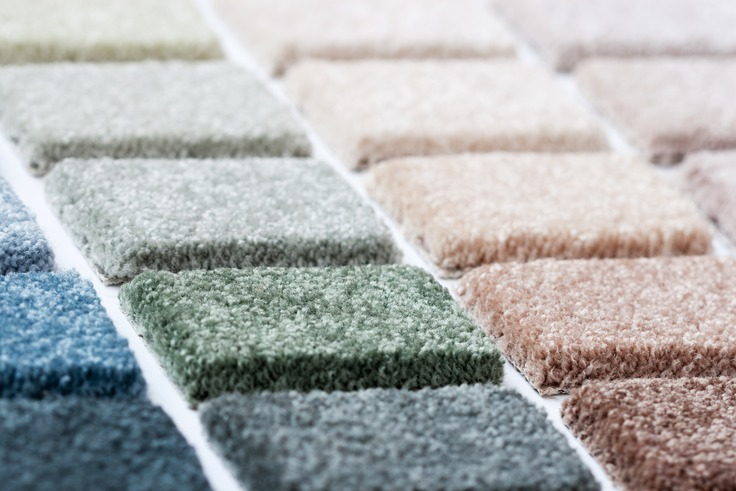
Carpet may hide some small imperfections better than hard-surface flooring, but it still needs proper support underneath. If the subfloor has soft spots, moisture problems, or major unevenness, the carpet may feel lumpy, wear unevenly, or fail to feel as comfortable as expected.
Luxury Vinyl Plank
LVP is a practical choice for many homes, but it still needs a stable, prepared surface. If the subfloor has dips, debris, moisture concerns, or uneven sections, the finished floor may not lay as cleanly or perform as well over time.
Laminate
Laminate often uses a floating installation system, which means the condition of the surface below it matters. A flat, stable subfloor and the right underlayment can help the floor feel better, sound better, and avoid unnecessary movement.
Hardwood
Hardwood and engineered hardwood need the right moisture and installation conditions. Subfloor requirements can vary by manufacturer and product, which is why it is important to match the flooring choice to the room and installation environment.
Tile
Tile needs a strong, level base. If the subfloor moves too much, has low spots, or is not prepared correctly, cracks can become a concern. Tile may feel tough on the surface, but it still depends on what is underneath.
What Homeowners Should Ask Before New Flooring Installation
Before installation day, it helps to ask practical questions about the surface underneath your current floor. These questions can help you think beyond color and style and focus on long-term performance.
Start with the basics:
-
Is the subfloor level enough for this flooring type?
-
Is there any moisture concern in this room?
-
Do I need underlayment or a moisture barrier?
-
Is this product right for this room and subfloor?
-
Should any repairs be handled before installation starts?
-
Will this flooring type work well with how the room is used?
-
Are there transitions, height changes, or nearby rooms to consider?
These questions are especially important if the room has had previous water damage, old flooring problems, uneven areas, or heavy daily use. They also matter when installing flooring over concrete, in basements, in bathrooms, near exterior doors, or in homes with pets and kids.
A good flooring project should not only answer, “What looks best?” It should also answer, “What will perform best in this room?”
How Subfloor Prep Affects Comfort, Sound, and Durability
Subfloor preparation is not only about preventing obvious problems. It also affects how the new floor feels every day.
A properly prepared subfloor can make flooring feel more stable underfoot. It can help reduce movement, support cleaner transitions, and create a smoother final appearance. With the right underlayment or moisture protection, it can also help with comfort, sound, and long-term protection.
That matters in busy homes. Hallways, family rooms, kitchens, bedrooms, and entryways all see different types of use. A floor that feels fine in a quiet guest room may not perform the same way in a high-traffic area if the subfloor underneath is not ready.
This is also why homeowners should not treat installation prep as a minor detail. It is part of the finished floor’s performance. The flooring material gets most of the attention, but the hidden layers often determine whether the project feels solid and dependable over time.
Get Your Floors Started the Right Way with Express Flooring
Choosing new flooring is exciting, but the best results start before the new material is installed. The room, the subfloor, the moisture conditions, the underlayment, and the flooring product all need to work together.
Professional guidance can help homeowners avoid hidden flooring issues and choose products that make sense for the way each room is used. A floor for a basement, kitchen, bedroom, hallway, or living room may each need different priorities.
Express Flooring helps homeowners compare flooring options at home, where lighting, layout, furniture, and room conditions are easier to judge. That makes it easier to choose a floor that looks right and fits the space underneath it.
Questions Homeowners Ask About Subfloors Before New Flooring
How do I know if my subfloor is damaged?
Some signs of subfloor damage include soft spots, squeaking, uneven areas, musty smells, buckling floors, cracked tile, or flooring that separates in certain places. You may not always see the subfloor directly, but the finished floor often gives clues when something underneath needs attention.
Can you install new flooring over an uneven subfloor?
It depends on the flooring type and how uneven the subfloor is. Minor imperfections may be addressed with the right preparation or underlayment, but larger dips, slopes, or damaged areas should usually be corrected before installation. Installing over a poor surface can lead to movement, gaps, noise, uneven wear, or cracking.
What causes moisture under flooring?
Moisture can come from concrete slabs, plumbing leaks, humidity, spills, poor ventilation, previous water damage, or moisture-prone rooms like bathrooms, kitchens, laundry rooms, and basements. Before new flooring is installed, moisture concerns should be taken seriously so the new floor is not put at risk.
Do all floors need underlayment?
No, not every flooring type or product needs the same underlayment. Some products require it, some include attached backing, and others need a specific type for moisture, sound, comfort, or warranty reasons. The right answer depends on the flooring material, subfloor, room, and manufacturer requirements.
Should I fix subfloor problems before replacing flooring?
Yes. If there are known subfloor problems, they should be addressed before new flooring is installed. Covering them up may make the room look better temporarily, but the same issues can affect the new floor later.
Build a Better Floor from the Surface Down
The best new flooring projects do not start with the surface alone. They start with the room, the subfloor, and the conditions underneath.
When homeowners understand the key subfloor signs before new flooring, they can make better choices about materials, installation prep, moisture protection, and long-term performance. A stable, prepared subfloor helps the finished floor feel better, last longer, and look more polished in everyday life.
If you are ready to update your floors and want help choosing the right product for your home’s conditions, schedule a free in-home consultation with Express Flooring to choose flooring that fits your home, your rooms, and what is underneath your floors.