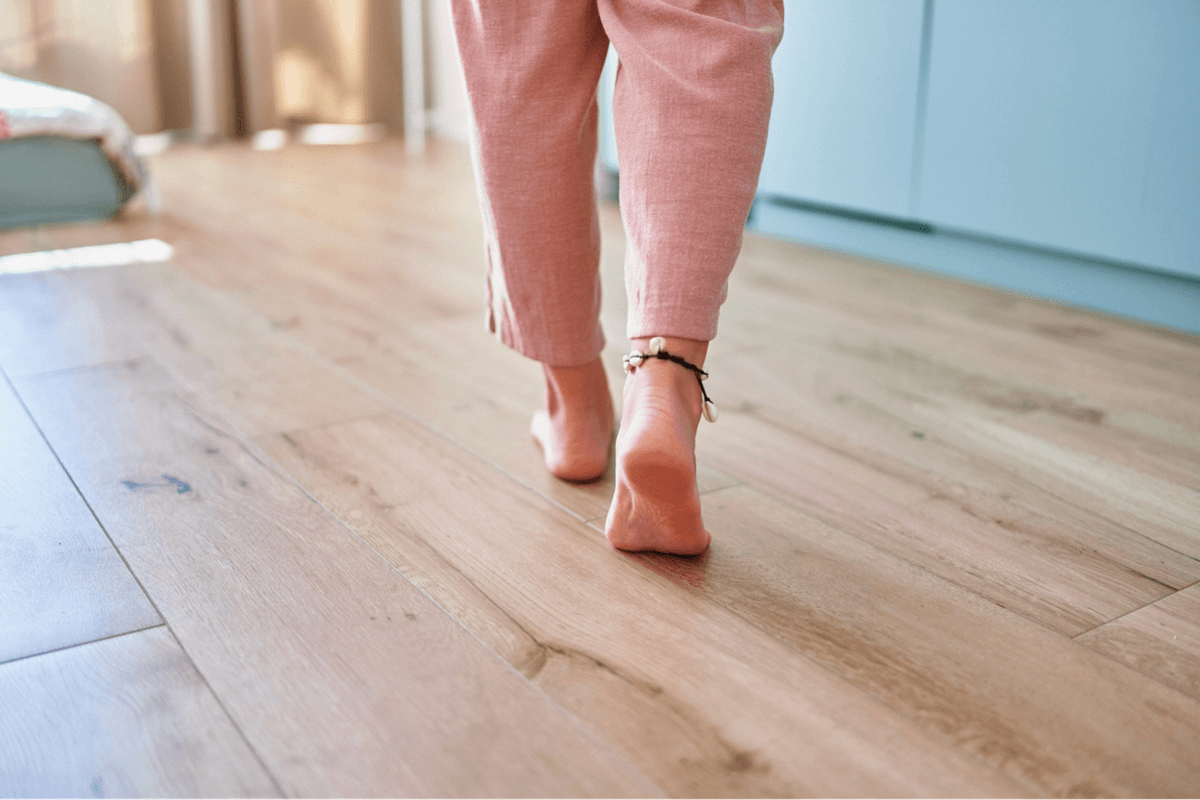
Some homes just sound busy. Footsteps travel down the hallway, kids run across upstairs rooms, pets click across hard floors, and every chair movement seems louder than it should. If your home has open spaces, multiple floors, active family members, or hard surfaces throughout, noise can become part of daily life fast.
The good news is that flooring can make a real difference. The right quiet flooring choice can help soften footsteps, reduce everyday movement noise, and make busy rooms feel calmer and more comfortable. But the answer is not always as simple as choosing the softest surface. Flooring material, underlayment, subfloor condition, installation method, room layout, and even where the room sits in the home all affect how much sound you hear.
This guide breaks down the best flooring for noise reduction, why some floors sound louder than others, and how to choose flooring that looks good while helping your home feel quieter underfoot.
Why Some Floors Sound Louder Than Others
Some flooring materials naturally carry more sound. Hard surfaces like tile, hardwood, laminate, and some thinner flooring products can make footsteps, dropped items, and pet movement feel sharper or more noticeable. That does not mean hard flooring is a bad choice. It just means the full flooring system matters.
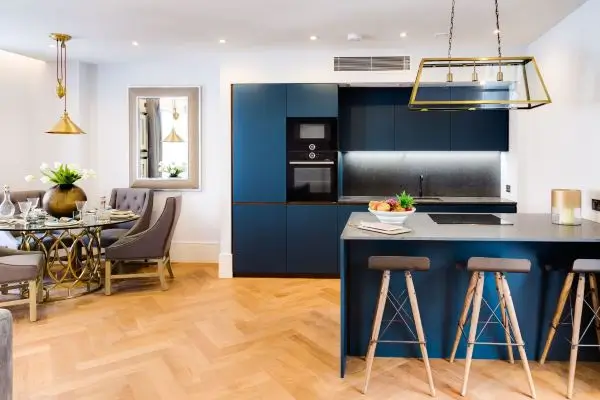
Sound is affected by more than the surface you walk on. The subfloor underneath, the size of the room, the ceiling height, the amount of furniture, and whether the layout is open or closed can all change how loud a room feels. A large open living room with hard floors may echo more than a furnished bedroom with carpet. An upstairs hallway may sound louder because footsteps travel through the floor structure below.
That is why quiet flooring for homes should be planned around the whole space. The material matters, but so does what goes under it and how it is installed.
If noise reduction is a major priority, starting with softer flooring categories like carpet flooring can make sense, especially in bedrooms, stairs, family rooms, and upstairs spaces where comfort and sound control both matter.
Best Flooring Types for Reducing Noise at Home
Different flooring options reduce noise in different ways. Some absorb sound naturally. Others need the right underlayment or installation support to feel quieter.
Carpet
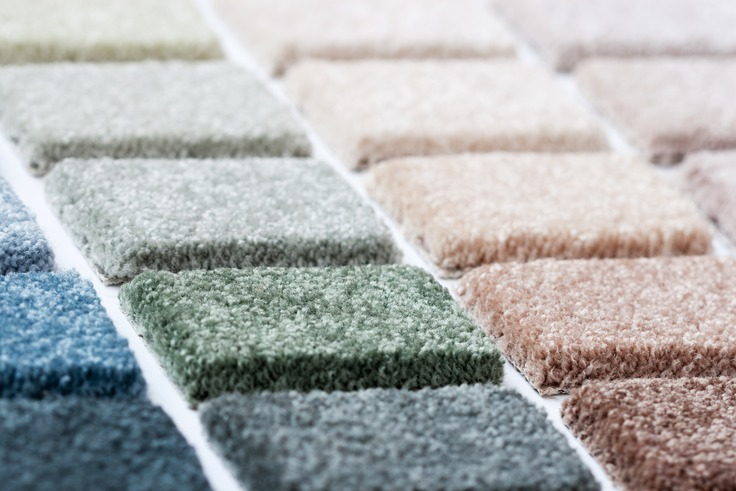
Carpet is usually one of the strongest choices for noise reduction because its soft fibers help absorb footsteps, movement, and everyday household sounds. It is especially useful in bedrooms, family rooms, stairs, upstairs hallways, and spaces where comfort matters as much as quiet.
Luxury Vinyl Plank
Luxury vinyl plank can be a quieter hard-surface option, especially compared with colder, harder materials like tile. Many LVP products feel softer and warmer underfoot, and some include backing or core construction that helps with comfort and sound absorption. It is a good option for homeowners who want lower-maintenance flooring without choosing carpet.
Laminate
Laminate can be quiet when paired with the right underlayment and installed correctly. Thicker laminate products often feel more solid underfoot, and underlayment can help reduce the hollow or tapping sound that some floating floors can create.
Engineered Hardwood
Engineered hardwood brings the natural beauty of wood, but like other hard surfaces, it benefits from proper installation support. The installation method, subfloor condition, and underlayment or adhesive system can all affect how it sounds in the home.
The main takeaway is simple: the quietest floor is not always just one product. It is usually the right material, the right room, and the right installation setup working together.
Why Carpet Is Still One of the Quietest Flooring Choices
Carpet remains one of the best flooring options for noise reduction because it absorbs sound instead of reflecting it. The fibers, padding, and soft surface help reduce the sharp sound of footsteps and daily activity.
That is especially helpful in busy households. If children play upstairs, carpet can help soften running and jumping sounds. If pets move from room to room, carpet can reduce the clicking sound that often comes from nails on hard flooring. If a bedroom sits above a living space, carpet can make the room feel quieter for people both inside and below it.
Carpet also adds warmth and comfort. That matters in rooms where people relax, sit on the floor, or want a softer feel underfoot. Bedrooms, nurseries, media rooms, upstairs hallways, stairs, and family rooms are all places where carpet can make the home feel calmer and more comfortable.
Of course, carpet is not the right fit for every room. Kitchens, bathrooms, laundry rooms, and entryways usually need more moisture-friendly or easier-to-clean materials. But in the right spaces, carpet is still one of the most effective ways to make a busy home feel quieter.
Can Hard Flooring Still Be Quiet?
Yes, hard flooring can still work in homes where noise reduction matters, but it needs a smarter setup.
Luxury vinyl plank is often a good middle ground because it gives homeowners a hard-surface look with more comfort underfoot than many traditional hard materials. It can be a strong fit for living rooms, bedrooms, home offices, and busy family spaces where homeowners want durability without making the room feel too loud.
Laminate can also work well, especially when the product has a thicker construction and the right underlayment underneath. Without good underlayment, some laminate floors can sound hollow or sharp when walked on. With the right support, they can feel more solid and comfortable.
Engineered hardwood can be another good choice when homeowners want real wood beauty with modern construction. The sound level depends heavily on installation method, subfloor condition, and the room itself. A properly installed engineered hardwood floor can feel stable and refined, while a poor installation may feel noisier than expected.
Product quality matters too. Thin materials, uneven subfloors, and rushed installation can make almost any floor sound louder. If quiet is a priority, it is worth thinking beyond color and style and asking how the floor will feel and sound during daily use.
The Role of Underlayment in Noise Reduction
Underlayment is the layer installed between the flooring and the subfloor. Homeowners do not see it once the floor is finished, but it can make a major difference in how the floor feels, performs, and sounds.
For noise control, underlayment helps absorb and dampen vibrations. That can reduce footstep noise, soften the feeling underfoot, and make the floor feel more stable. It is especially important for floating floors, like many laminate and LVP products, where the planks are not nailed directly into the subfloor.
Underlayment can also help with comfort, moisture protection, and minor subfloor imperfections, depending on the product used. That makes it more than just an add-on. In many cases, it is part of the full flooring system.
If you are comparing soundproof flooring options, it is worth learning how underlayment for noise reduction can support the flooring you choose. The surface material matters, but what sits underneath it can be just as important.
Best Rooms to Prioritize Quiet Flooring
You may not need quiet flooring in every room. Some spaces matter more than others.
Bedrooms
Bedrooms should feel calm and comfortable. Carpet is often a strong choice, but LVP, laminate, or engineered hardwood can also work when paired with the right underlayment and room setup.
Upstairs Rooms
Footsteps in upstairs rooms can travel to the rooms below. Carpet is especially helpful here, but sound-conscious hard flooring with quality underlayment can also reduce the issue.
Home Offices
A quiet floor can make a home office feel more focused. If you use a rolling chair, take calls, or share the home with kids or pets, flooring that reduces noise can make the room more functional.
Stairs and Hallways
Stairs and hallways see a lot of movement. Carpet can soften these high-traffic areas, while hard flooring may need careful installation and transition planning to avoid extra noise.
Family Rooms and Playrooms
These rooms naturally create sound. Soft flooring, area rugs, comfortable LVP, or the right underlayment can make everyday activity feel less disruptive.
Common Mistakes That Can Make Floors Feel Louder
A floor can look beautiful and still sound louder than expected. Many noise problems come from choices made before installation.
One common mistake is choosing flooring based only on looks. A smooth, hard surface may match the design perfectly, but it may not be the quietest choice for an upstairs bedroom or hallway.
Another mistake is ignoring underlayment. This is especially important with floating floors. Without proper underlayment, footsteps can sound sharper, and the floor may feel less solid.
Subfloor condition matters too. If the subfloor is uneven, damaged, or not properly prepared, the finished floor may move, echo, or sound hollow in certain areas.
Choosing thin or low-quality materials for busy areas can also cause problems. Floors that do not have enough stability or support may amplify everyday movement instead of softening it.
Finally, homeowners sometimes forget to think about how the room is used. A formal dining room, a child’s playroom, and an upstairs hallway all have different sound needs. The best flooring choice should match the room’s real daily activity.
Find Quiet, Comfortable Flooring with Express Flooring
The right quiet flooring choice depends on your room, lifestyle, design goals, and how much sound control you need. Carpet may be the best fit for softness and sound absorption. LVP may be a better choice if you want a quieter hard-surface option with easy maintenance. Laminate and engineered hardwood can also work well when they are paired with the right underlayment and installed correctly.
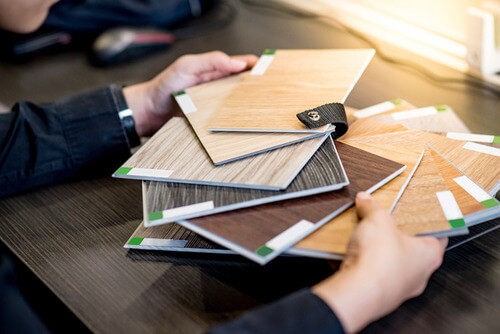
This is why comparing flooring samples at home can be so helpful. A floor can look one way in a showroom and feel very different in your actual space. Lighting, furniture, room size, subfloor type, and layout all affect the final decision.
Questions Homeowners Ask About Quieter Floors
What type of flooring is best for noise reduction?
Carpet is usually one of the best flooring choices for noise reduction because it absorbs sound and softens footsteps. For homeowners who prefer hard flooring, luxury vinyl plank, laminate, and engineered hardwood can also work well when paired with the right underlayment and installation method.
Is vinyl plank flooring quieter than laminate?
It can be, depending on the product. Some luxury vinyl plank floors have a softer or more cushioned feel, while laminate can sometimes sound louder if it is thin or installed without the right underlayment. Product quality and installation make a big difference.
Does underlayment really help with floor noise?
Yes, underlayment can help reduce noise by absorbing vibrations and adding support between the flooring and subfloor. It is especially important for floating floors, upstairs rooms, and spaces where footstep noise is a concern.
What flooring is best for upstairs rooms?
Carpet is often the quietest choice for upstairs rooms because it softens footsteps and helps reduce sound transfer. If you prefer hard flooring, look for options that can be paired with quality underlayment for better sound control.
Can I make existing hard floors quieter?
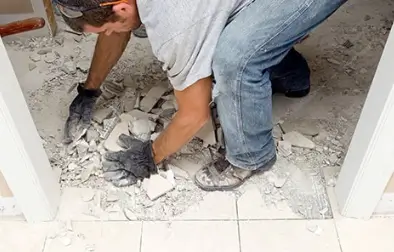
Sometimes. Area rugs, rug pads, furniture, curtains, and soft décor can help reduce echo and soften sound in a room. But if the noise comes from the flooring system itself, underlayment and installation choices usually need to be addressed during a flooring replacement.
Make Your Home Feel Calmer from the Floor Up
Quiet flooring is not just about reducing sound. It is about making your home feel more comfortable, peaceful, and easier to live in. In busy households, the right floor can soften footsteps, make upstairs rooms feel less disruptive, and help shared spaces feel more relaxed.
Whether carpet, LVP, laminate, or engineered hardwood is the right choice, the key is to match the floor to the room and support it with the right installation approach. If you want help comparing options in your own space, schedule a free in-home consultation with Express Flooring to find flooring that looks great, feels comfortable, and helps your home feel quieter.